




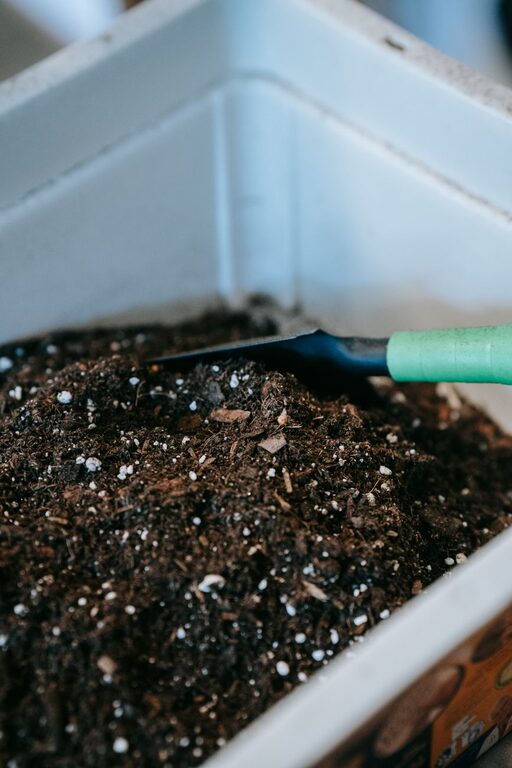
Composting at home is an excellent way to reduce kitchen and garden waste while creating nutrient-rich soil for your plants. If you’re new to composting, it may seem a little overwhelming at first, but with some simple steps and understanding, anyone can start a successful compost pile or bin. In this guide, we’ll walk you through beginner tips to help you get started with composting at home.
What is Composting?
Composting is a natural process where organic materials like food scraps and yard waste break down into a dark, crumbly substance called compost. This compost acts like a fertilizer, enriching soil with nutrients and improving its structure. By composting, you divert waste from landfills, reduce greenhouse gas emissions, and promote healthier plants.
Why Compost at Home?
– Reduces waste: Composting diverts kitchen and garden waste from garbage.
– Enriches soil: Adds valuable nutrients and improves soil texture.
– Saves money: Reduces the need to buy commercial fertilizers.
– Eco-friendly: Helps reduce pollution and greenhouse gases.
Getting Started: Choosing Your Compost Setup
There are several composting methods suitable for home use:
Compost Bins
These are containers that hold your compost materials. They come in various sizes and materials like plastic, wood, or metal. Bins help maintain heat and moisture and keep pests away.
Compost Piles or Mounds
You can simply create a compost heap in a corner of your yard if you have space. This method requires turning the pile to aerate it but is flexible and low cost.
Tumbler Composters
These are enclosed bins on a rotating frame. They make turning the compost easier and speed up decomposition.
Vermicomposting (Worm Composting)
Using special composting worms to break down organic waste in a bin indoors or outdoors. This method produces rich worm castings great for plants.
Choose a method that fits your space, lifestyle, and budget.
What Can You Compost?
Knowing what to add to your compost is key to success. Materials are generally categorized as “greens” (nitrogen-rich) and “browns” (carbon-rich).
Greens (Nitrogen-rich)
– Fruit and vegetable scraps
– Coffee grounds and filters
– Tea bags (make sure they’re compostable)
– Fresh grass clippings
– Plant trimmings
Browns (Carbon-rich)
– Dry leaves
– Straw or hay
– Shredded newspaper or paper
– Cardboard pieces
– Wood chips or sawdust (untreated wood)
What to Avoid
– Meat, fish, and dairy (can attract pests)
– Oils and greasy foods
– Pet waste
– Diseased plants or invasive weeds
– Non-biodegradable materials (plastics, metals)
How to Build Your Compost
Step 1: Select a Location
Pick a dry, shady spot with good drainage. Avoid areas prone to flooding or direct blazing sun.
Step 2: Start Layering
Begin with a layer of coarse materials like twigs or straw to allow airflow at the bottom.
Step 3: Alternate Greens and Browns
Add alternating layers of green and brown materials to balance nitrogen and carbon. A general rule is about 2-3 parts browns to 1 part greens.
Step 4: Maintain Moisture
Keep your pile about as damp as a wrung-out sponge. Water if it’s too dry; add dry browns if it’s too wet.
Step 5: Aerate and Turn
Oxygen is vital for composting microbes. Turn your compost every 1-2 weeks to mix materials and speed decomposition.
Tips for Troubleshooting
Smelly Compost
– Likely too wet or too many greens.
– Add more browns and turn to aerate.
Slow Decomposition
– Pile may be too dry or compacted.
– Add water and turn the pile.
Attracting Pests
– Don’t add meat, dairy, or oily foods.
– Use a closed bin or cover food scraps with browns.
Harvesting Your Compost
After a few months (3-6), your compost should be dark, crumbly, and smell earthy. This finished compost can be mixed into garden soil, used as mulch, or added to potted plants to boost plant health.
Final Thoughts
Starting composting at home is a rewarding way to help the environment and enhance your garden. Keep it simple at first with basic materials and a manageable bin or pile. As you get comfortable, you can expand or try other composting methods. With patience and attention, you’ll soon produce rich compost that benefits your plants and reduces waste.
Happy composting!