
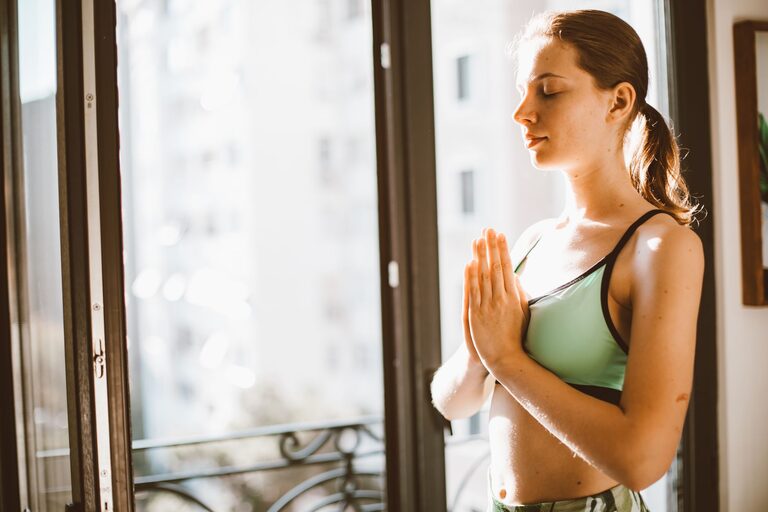







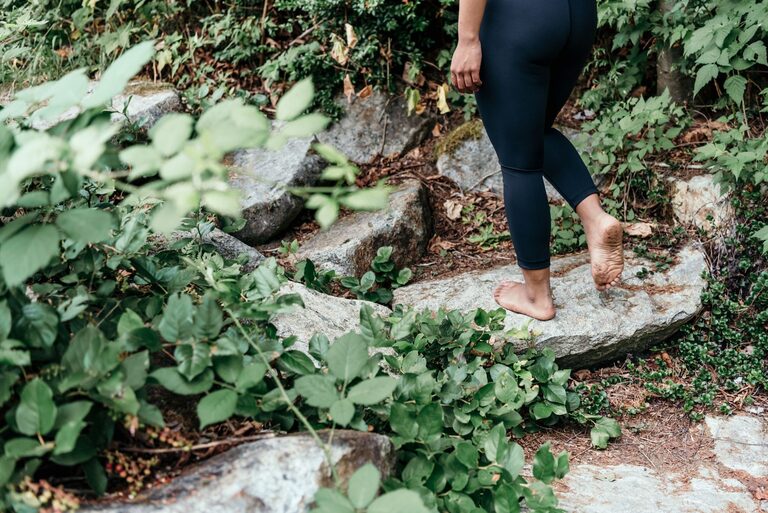
Mindful walking is a gentle practice that combines the benefits of mindfulness meditation with the natural movement of walking. It’s a simple way to bring more awareness, calm, and presence into your daily routine. If you’re new to mindfulness or looking for an easy way to reduce stress and feel more grounded, mindful walking is a wonderful place to start.
In this guide, we’ll explore what mindful walking is, why it’s beneficial, and how you can begin practicing it right away.
What Is Mindful Walking?
Mindful walking involves paying close attention to the experience of walking. Instead of rushing or thinking about your to-do list, you slow down and focus on your body’s sensations, your breath, and the environment around you. It’s about being fully present with each step, noticing the rhythm and flow without judgment.
This practice comes from mindfulness meditation, which encourages awareness of the present moment. When walking mindfully, your mind quiets and you connect deeply with the here and now.
Benefits of Mindful Walking
Practicing mindful walking regularly can provide several positive effects for your mind and body:
– Reduces stress: Focusing on your breath and movement helps calm your nervous system.
– Improves focus: Mindful walking trains your attention, making it easier to concentrate throughout the day.
– Enhances mood: Being present and connecting with nature can boost feelings of happiness and relaxation.
– Supports physical health: Walking itself is good exercise, and doing it mindfully encourages better posture and body awareness.
– Encourages self-compassion: Observing yourself without judgment fosters kindness and patience.
How to Get Started with Mindful Walking
Here are practical steps to begin your mindful walking practice:
1. Choose a Comfortable Location
Find a quiet place where you can walk slowly without many distractions. It can be indoors or outdoors—a park, your backyard, a hallway, or even around your living room.
2. Wear Comfortable Clothing and Shoes
Since you’ll be focusing on walking, wearing comfortable shoes and clothing will help you remain relaxed and free of discomfort.
3. Start with a Few Minutes
Begin with 5 to 10 minutes, especially if you’re new to mindfulness or walking meditation. You can gradually increase the time as you feel comfortable.
4. Stand Still and Take a Few Deep Breaths
Before you start walking, stand still with your feet hip-width apart. Take three slow, deep breaths to settle your mind and body.
5. Begin Walking Slowly and Notice Your Steps
Walk at a slower pace than usual. Pay attention to the sensation of your feet lifting, moving, and touching the ground. Feel the shifting of your weight from one foot to the other.
6. Coordinate Your Breath and Steps
Notice your breathing as you walk. Some people find it helpful to match a steady rhythm with their breath and steps—for example, inhale for three steps, then exhale for three steps.
7. Engage Your Senses
Open yourself to sounds, smells, and sights around you. Notice the colors of the leaves, the warmth of the sun, or the coolness of the breeze. However, try to observe without labeling or judging.
8. Handle Distracting Thoughts Gently
If your mind wanders, it’s normal. Gently bring your focus back to the sensation of walking and breathing without frustration.
9. End Your Practice Mindfully
When you finish, stand still again and take a few more deep breaths. Notice how you feel physically and mentally.
Tips for a Successful Mindful Walking Practice
– Practice regularly: Consistency helps deepen your awareness and benefits.
– Avoid rushing: The goal isn’t speed but experiencing each moment fully.
– Use guided meditations: Apps or online videos can provide helpful guidance.
– Incorporate mindfulness into daily walks: Even brief pauses to notice your steps can enhance everyday activity.
– Be patient: Mindfulness is a skill developed over time.
Common Questions About Mindful Walking
Can I practice mindful walking in a busy place?
Yes. Although quiet spaces are ideal, you can practice mindful walking anywhere by focusing inward on your bodily sensations despite external distractions.
Do I need special equipment?
No special equipment is necessary. Comfortable shoes and clothing are enough.
How often should I practice?
Try to practice at least a few times a week, or incorporate mindful moments into your regular walks.
Final Thoughts
Mindful walking is a simple yet powerful way to cultivate calm, clarity, and connection with yourself and the world around you. Whether you have time for a dedicated practice or just a few mindful steps, it offers an accessible path to enhance your well-being.
Give it a try today—a few slow, intentional steps could be the start of a more peaceful day.